


Tips til presning og strygning af tøj
CREATIVATE Uddannelse
01. juli 2025

Her er noget, som erfarne syere ved, men som begyndere ofte ikke er klar over: Der er to vaner, der adskiller et stykke tøj, der ser håndsyet ud, fra et, der ser ud som om det er købt i butikken. Den første er at klippe trådene af undervejs. Den anden er at vide, hvordan man bruger strygejernet korrekt.
Hvis dine færdigsyede tøjstykker ikke helt fremstår så velplejede og professionelle, som de burde, kan din strygeteknik være den manglende brik.
Pro-tip: Begreberne »strygning« og »presning« bruges ofte i flæng — men det er ikke det samme, og inden for tøj sewing en er forskellen vigtig.
- Strygning — at føre et varmt strygejern frem og tilbage for at fjerne rynker
- Presning — at løfte strygejernet og sætte det ned på et bestemt område uden at flytte det
Det meste af det, man laver under fremstillingen af tøj, er at presse, ikke at stryge.
Tryk på sømmene for at åbne dem
Det er almindelig praksis inden for beklædnings sewing at stryge sømmene åbne, og det er der en god grund til. Det forhindrer, at sømrummene krøller sig sammen til en forhøjning under stoffet — hvilket kan være ubehageligt at have på og gør det meget sværere at få krydsende sømme til at flugte.
Når du skal stryge en søm op, skal du starte fra sømens forside og stryge hver sømrum fladt i modsatte retninger. Ved varmefølsomme stoffer skal du altid bruge et strygeklæde mellem strygejernet og stoffet for at undgå skader.
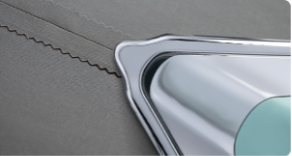
Syningssøm
Inden du syr syningssting, skal du stryge sømrummet i den retning, du ønsker, at det skal ligge. Det giver dig en glat og jævn overflade at sy langs og sikrer et langt pænere resultat.
Syningssømmer ser ikke bare godt ud — de fastgør sømrummene permanent og giver sømmen et extra ekstra lag af holdbarhed. Dette er vigtigt for holdbarheden: Strygning alene vil glatte sømrummene ud, men de vil ikke holde til gentagne maskinvaske. Uden syningssømme kan du ende med at skulle stryge sømmene igen efter hver vask.
Når du er færdig med at sy synlige sømme, skal du stryge det en sidste gang, så stingene lægger sig tæt ind i stoffet og giver et virkelig flot resultat.
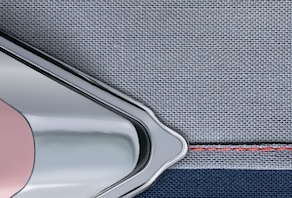
Sammenføjning af mellemfor
Mellemfor giver struktur og fylde til de steder, hvor det er nødvendigt — kraver, manchetter, knaplukninger og kantbånd er de mest almindelige eksempler. Ved brug af strygefor skal du altid bruge damp. Kombinationen af varme og damp aktiverer klæbemidlet og skaber en stærk, holdbar binding til stoffet.
Inden du påfører forstærkningsstoffet på dit egentlige tøjstykke, bør du afprøve varme- og dampindstillingerne på et par rester af det samme stof. Dette er især vigtigt ved sarte stoffer — hvis du er i tvivl, skal du lægge et strygeklæde eller et let håndklæde mellem forstærkningsstoffet og strygejernet for at beskytte stoffets overflade.
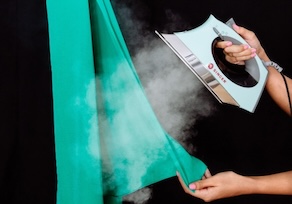
Pro-tip: Selvom begreberne »strygning« og »presning« ofte bruges i flæng, er det IKKE det samme. Strygning er den handling, hvor man fjerner krøller ved at føre et varmt strygejern frem og tilbage. Presning er den proces, hvor man løfter strygejernet og sætter det ned på et bestemt sted på et projekt.